Safety
At ARCOVA EPC, safety is an essential part of how construction activities should be planned and carried out. We focus on understanding the risks associated with each site, communicating responsibilities and supporting appropriate controls before work begins. As site conditions evolve, teams need to remain alert, share observations and address concerns promptly. A responsible safety culture is built through everyday decisions and the involvement of everyone on site.
Construction Safety and Risk Awareness
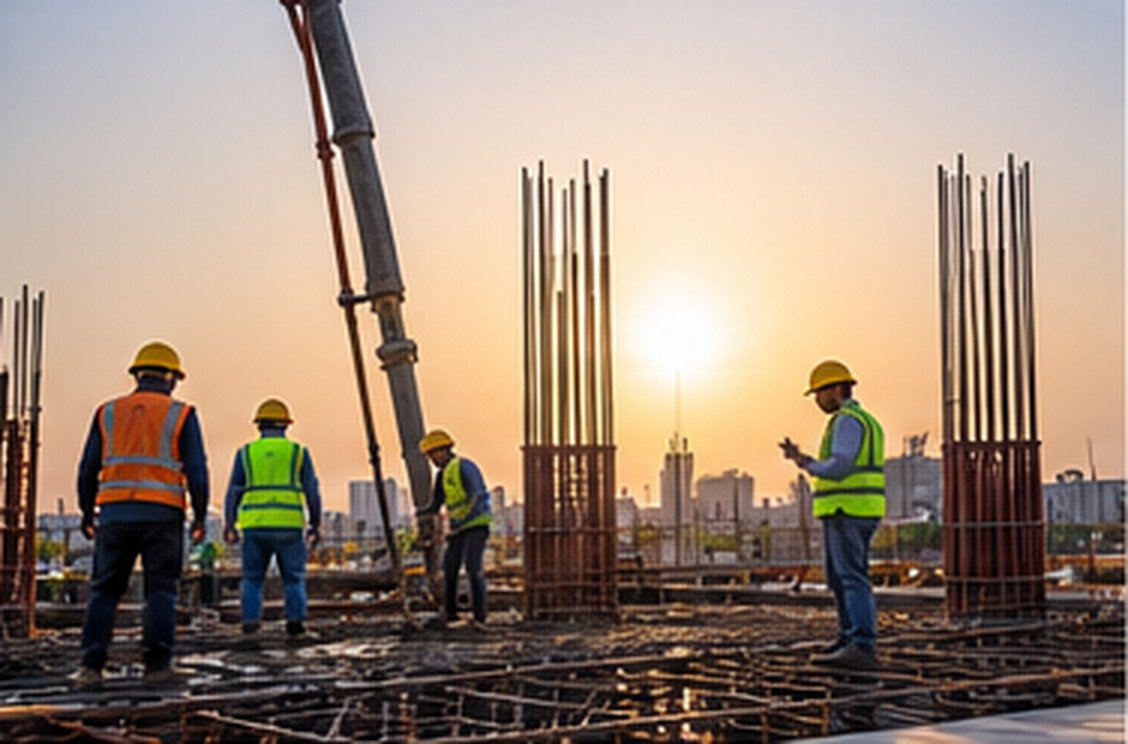
Safer working conditions begin with shared awareness and practical preparation. Before activities start, teams should understand the task, identify potential hazards and review the precautions required for the location and equipment involved. Open communication between supervisors, workers and trade partners is important when work interfaces or conditions change. Our approach emphasises consistent attention to people and their working environment.
Planning for Site-Specific Risks
Construction sites involve moving equipment, work at height, temporary structures, electrical systems and many overlapping activities. A broad approach to safety considers these interfaces together rather than in isolation. We value site-specific risk assessment, clear access arrangements, housekeeping, emergency preparedness and coordination among contractors. Reviewing these areas throughout delivery helps teams respond to the changing demands of the site.
Shared Responsibility on Site
Safety leadership is demonstrated through actions: asking questions, making time for planning and ensuring concerns can be raised without hesitation. We believe that clear expectations and consistent communication help site teams understand their responsibilities. Supervisors and project stakeholders play an important role in reviewing work methods, supporting appropriate controls and encouraging practical improvements as conditions evolve.
Continuous Safety Communication
A strong safety culture depends on people looking out for one another. Workers, supervisors, consultants and trade partners all contribute by sharing observations and communicating when a task needs further review. We encourage a practical mindset in which hazards are identified early, changes are discussed and everyone understands the agreed way of working. Respect and collaboration are central to that effort.